What Is Telemedicine? A Simple Guide for Patients

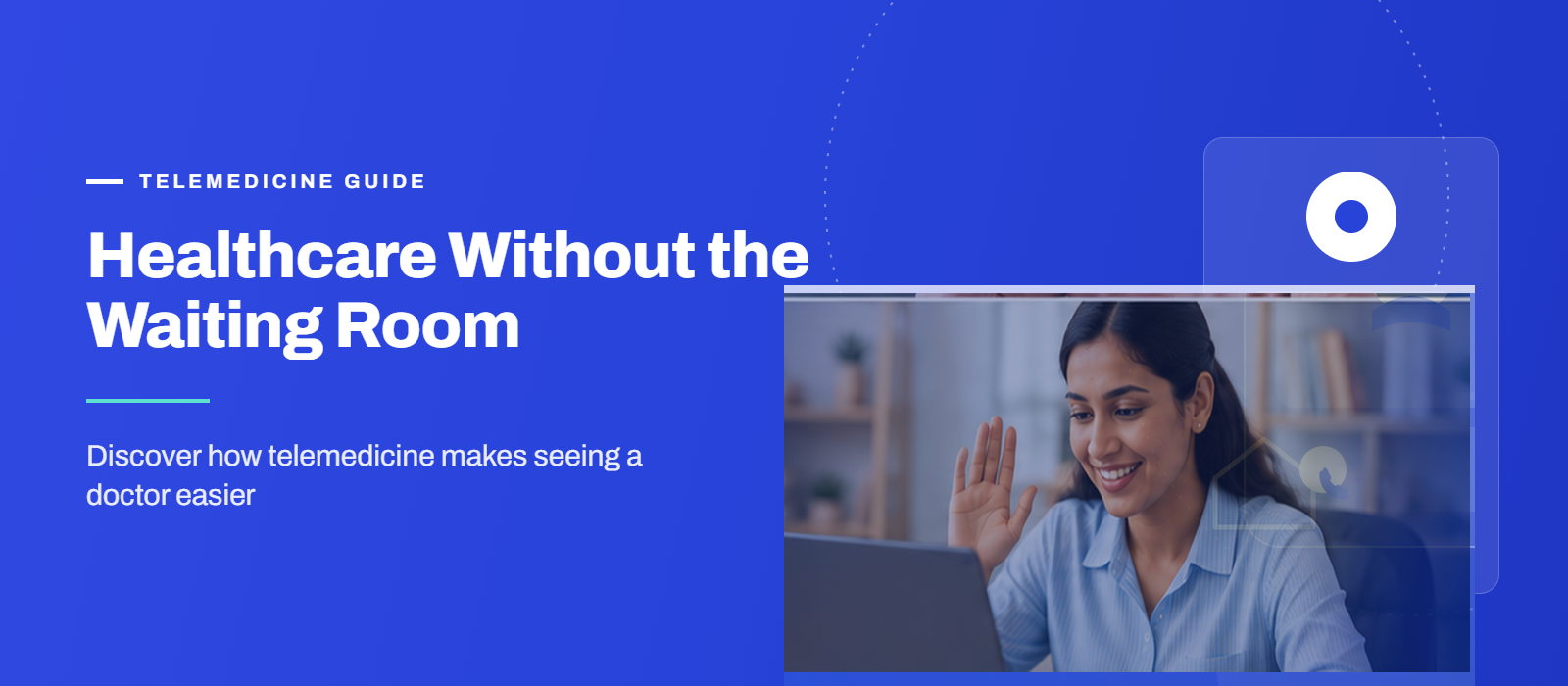
Imagine waking up with a fever at midnight, or noticing a rash on your skin, and being able to speak to a licensed doctor within minutes - without stepping outside, without waiting in a queue, and without worrying about crowded clinics. That's exactly what teleconsultation makes possible. Over the past few years, telemedicine (also called telehealth or online doctor consultation) has become one of the most important shifts in how people access healthcare worldwide. Whether you live in a busy metro city or a remote area with limited medical facilities, telemedicine gives you access to qualified doctors through your smartphone or computer. In this guide, we'll break down everything you need to know about telemedicine in simple, easy-to-understand language.
What Is Telemedicine?
In simple words, it's visiting your doctor through a screen instead of in person. Telemedicine is the use of technology - such as video calls, phone calls, or secure messaging - to provide medical consultation, diagnosis, and treatment remotely. The terms telehealth, telemedicine, and online doctor consultation are often used interchangeably. While there are slight technical differences, for most patients, they all mean the same thing: getting medical care from home.
How Does Telemedicine Work? Step-by-Step
Getting an online doctor's consultation is simpler than most people expect. Here's how a typical telemedicine visit works:
- Download a telehealth app or visit a telemedicine platform (like vcdoc).
- Create your profile and enter basic health information.
- Choose your required specialist or general physician.
- Book an appointment or connect instantly.
- Consult via video call, audio call, or text chat.
- Receive a digital prescription and follow-up instructions.
- Get your medicine delivered or pick it up using your e-prescription.
The entire process can take as little as 15-30 minutes, and many platforms offer 24/7 availability.
What Conditions Can Telemedicine Treat?
Telemedicine is suitable for a wide range of common and chronic health concerns. While it may not replace in-person care for physical examinations or emergencies, it is highly effective for:
Common Illnesses (Acute Care)
- Cold, cough, and flu symptoms
- Fever and body aches
- Sore throat and ear pain
- Urinary tract infections (UTIs)
- Mild digestive issues (acidity, diarrhoea, nausea)
- Allergies and skin rashes
- Headaches and migraines
- Eye infections (conjunctivitis)
Mental Health Consultations
- Anxiety and stress counselling
- Depression screening and therapy
- Sleep disorders
- Burnout and emotional well-being
Chronic Disease Management
- Diabetes monitoring and diet guidance
- Hypertension (high blood pressure) follow-ups
- Thyroid condition management
- Asthma and respiratory care
- Joint pain and arthritis advice
Preventive Health & Wellness
- Health check-up consultations
- Nutritional and lifestyle advice
- Vaccination schedules and guidance
- Pre-travel health consultations
- Second medical opinions
When Not to Use Telemedicine
Telemedicine is not suitable for medical emergencies such as chest pain, difficulty breathing, stroke symptoms, severe injuries, or unconsciousness. In these cases, call emergency services or visit your nearest emergency room immediately.
Top Benefits of Telemedicine for Patients
Why are millions of patients worldwide switching to online doctor consultations? Here are the most important benefits:
Saves Time
No more travelling to clinics or sitting in crowded waiting rooms for hours. A telemedicine appointment can be completed from your home, office, or even while travelling.
Convenience from Anywhere
Whether you are in a city, a small town, or a rural area, telemedicine gives you access to top doctors regardless of geography. All you need is a smartphone and an internet connection.
More Affordable
Online consultations are often significantly cheaper than in-person visits. You also save on travel costs, parking, and time off work.
Private and Confidential
Discuss sensitive health topics - mental health, sexual health, addiction - in complete privacy from your own space.
Better Follow-Up Care
Telemedicine makes it easy to schedule follow-up appointments, share test reports, and track your health over time without repeated hospital visits.
Continuity of Care
You can consult the same doctor repeatedly, building a consistent care relationship without the hassle of in-person visits every time.
Telemedicine vs In-Person Doctor Visit: What's the Difference?
| Factor | Telemedicine | In-Person Visit |
|---|---|---|
| Waiting Time | Minimal to none | Often 30-90 minutes |
| Travel Required | No | Yes |
| Cost | Usually lower | Often higher |
| Physical Exam | Limited (visual) | Full physical exam |
| Prescription | Digital / e-prescription | Paper prescription |
| Availability | 24/7 in many cases | Clinic hours only |
| Best For | Common illnesses, follow-ups, mental health | Complex conditions, surgeries, emergencies |
Is Telemedicine Safe and Reliable?
This is one of the most common questions patients ask - and the answer is yes, when using a trusted, licensed platform. Reputable telemedicine platforms like vcdoc only feature board-certified, verified doctors with valid medical registrations. Patient data is protected using end-to-end encryption and strict privacy standards, complying with healthcare data regulations.
Studies consistently show that patient satisfaction with telemedicine is comparable to and in many cases higher than traditional in-person visits for non-emergency conditions.
What to Look for in a Safe Telemedicine Platform
Verified & licensed doctors | Secure encrypted consultations | Clear prescription policies | Patient data privacy compliance | 24/7 support availability
Who Can Benefit Most from Telemedicine?
Telemedicine is designed to be inclusive and accessible. It is especially beneficial for:
- Senior citizens who find it difficult to travel to clinics
- Working professionals who cannot take time off for a clinic visit
- Parents of young children who need quick paediatric advice
- Patients in rural or underserved areas with limited specialist access
- Individuals managing chronic illnesses who need frequent check-ins
- People seeking mental health support with greater privacy
- Patients requiring a second medical opinion
- Travellers or expats who need medical advice abroad
How to Prepare for Your First Telemedicine Appointment
Getting the most out of an online doctor consultation is easy when you prepare in advance:
- Write down your symptoms, their duration, and severity before the appointment.
- Keep a list of all current medications and dosages handy.
- Have any recent test reports, prescriptions, or medical records ready to share.
- Ensure your device is charged and your internet connection is stable.
- Find a quiet, private space with good lighting for your video consultation.
- Note down any questions you want to ask the doctor.
Consult Online with Doctors Today with vcdoc
Looking to consult online with doctors without the hassle of travel or long waiting times? vcdoc is a trusted telemedicine platform that connects patients with verified, experienced doctors across multiple specialities. Whether you need help with a minor health concern, expert medical advice, or follow-up care for a chronic condition, vcdoc makes healthcare simple, affordable, and private.
With vcdoc, you get access to qualified doctors in minutes - for general medicine, mental health, dermatology, paediatrics, and more. Your health doesn't have to wait.
Ready to See a Doctor from Home?
Skip the waiting room. Get expert medical care on your schedule - from the comfort of your home.
Download vcdoc (from Android or iOS) → Book a teleconsultation → Get diagnosed & treated - all online.
Frequently Asked Questions (FAQs) About Telemedicine
Q1: What is telemedicine in simple terms?
A: Telemedicine is a way to see a doctor online using your smartphone, tablet, or computer through a video call, phone call, or chat. It allows patients to receive medical consultation, diagnosis, and treatment from home, without visiting a clinic in person.
Q2: Is telemedicine as good as seeing a doctor in person?
A: For many non-emergency conditions such as colds, infections, skin issues, mental health support, and chronic disease management, telemedicine is equally effective as an in-person visit. It may not replace physical examinations needed for complex conditions or surgeries.
Q3: What are the types of telemedicine?
A: The three main types are: (1) Synchronous telemedicine - real-time video or phone consultations; (2) Asynchronous telemedicine - sharing medical information (photos, reports) for the doctor to review later; (3) Remote Patient Monitoring - tracking health data (blood pressure, sugar levels) through connected devices.
Q4: Can a telemedicine doctor prescribe medicine?
A: Yes. Licensed telemedicine doctors can issue valid digital prescriptions (e-prescriptions) for the most common medications, just as they would during an in-person visit. These can be used at any pharmacy or shared digitally.
Q5: How do I prepare for a telemedicine appointment?
A: List your symptoms and duration, gather current medications and past reports, ensure a stable internet connection, find a quiet private space, and write down any questions for your doctor before the appointment.
Q6: Is telemedicine safe and private?
A: Yes, reputable telemedicine platforms use end-to-end encryption and comply with healthcare privacy regulations to protect your medical data. Always use verified platforms like vcdoc that feature board-certified, licensed doctors.
Q7: What conditions cannot be treated via telemedicine?
A: Telemedicine is not appropriate for medical emergencies such as chest pain, stroke symptoms, severe trauma, difficulty breathing, or unconsciousness. In an emergency, call your local emergency services or visit the nearest hospital immediately.
Q8: How much does a telemedicine consultation cost?
A: Telemedicine consultations are generally more affordable than in-person visits. Costs vary by platform, specialist type, and location, but many platforms, like vcdoc, offer competitive, transparent pricing with no hidden fees.
Q9: Can telemedicine be used for mental health consultations?
A: Absolutely. Telemedicine is widely used for mental health care, including anxiety, depression, stress, sleep disorders, and counselling. Many patients find it easier to speak openly about mental health concerns in the privacy of their own home.
Q10: What is the difference between telemedicine and telehealth?
A: Telehealth is a broader term that includes all digital health services such as patient education, remote monitoring, and administrative services. Telemedicine specifically refers to clinical services - like doctor consultations and diagnosis - delivered remotely.

